Book an online doctor appointment on Dr. Bakshi's Healthcare for expert care anytime, anywhere.
Liver health
The liver is one of the most essential organs in the human body, performing a wide range of critical functions, including detoxification, nutrient metabolism, protein synthesis, and bile production. Liver disease encompasses any condition that impairs these normal functions or damages liver tissue.Common causes include viral infections, excessive alcohol intake, obesity, exposure to toxins, and certain genetic or autoimmune disorders. Early diagnosis and lifestyle intervention are vital to prevent progression to advanced liver disease such as cirrhosis, liver failure, or cancer.
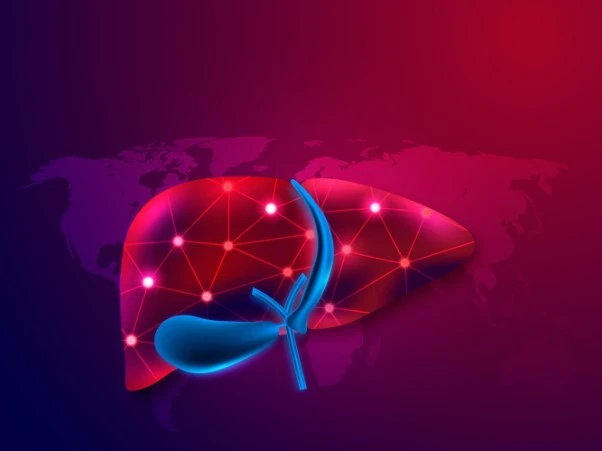

Diseases Associated with Liver Dysfunction
Several medical conditions are directly associated with impaired liver function or chronic liver injury, including:
- Hepatitis (A, B, C, D, E) : Viral infections that cause inflammation and cellular damage to the liver
- Non-Alcoholic Fatty Liver Disease (NAFLD): Fat accumulation in liver cells, often related to obesity, diabetes, or metabolic syndrome
- Alcoholic Liver Disease (ALD) : Liver inflammation and scarring due to excessive alcohol consumption
- Cirrhosis : Permanent scarring of liver tissue resulting from long-term injury.
- Hepatocellular Carcinoma (Liver Cancer): A primary malignancy commonly arising from chronic liver disease or cirrhosis
- Liver Failure : A severe condition where the liver loses its ability to perform essential functions
- Hemochromatosis : A genetic disorder causing iron overload in the liver
- Wilson’s Disease : A hereditary condition resulting in excessive copper accumulation
Role of Diet in Liver Disease
Dietary management plays a pivotal role in both the prevention and treatment of liver disease. A balanced, nutrient-dense diet helps reduce hepatic fat accumulation, minimize inflammation, and support cellular regeneration. Clinical nutrition for liver health focuses on:
- Controlling calorie intake to prevent obesity and fat buildup
- Limiting saturated fats, refined sugars, and alcohol to reduce hepatic stress
- Ensuring adequate protein intake to prevent muscle wasting in chronic liver disease
- Maintaining hydration and supporting overall metabolic balance
Individualized diet plans are recommended based on the type and severity of liver disease, as well as associated metabolic conditions.

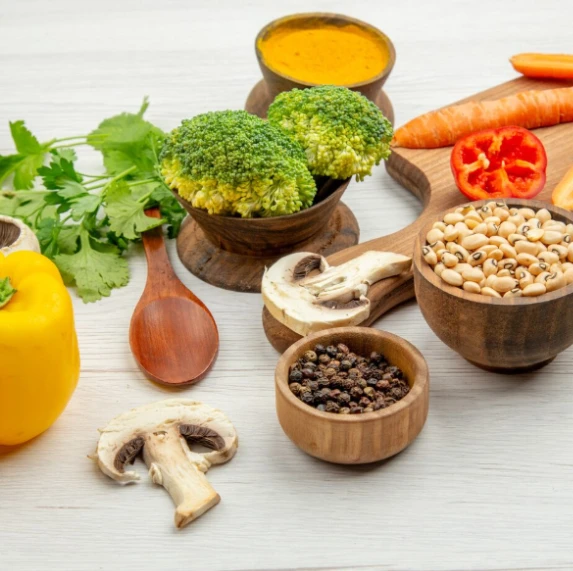
Foods Beneficial for Liver Health
A balanced, nutrient-rich diet along with healthy lifestyle habits plays a key role in maintaining optimal liver health.
- Fruits, Vegetables & High-Fiber Foods : Provide antioxidants and fiber that support liver detoxification, improve digestion, and reduce fat buildup in the liver.
- Lean & Plant-Based Proteins : Help repair and maintain liver cells without excess fat load, using sources like lentils, beans, tofu, and low-fat dairy if tolerated.
- Healthy Fats & Fat Control : Healthy fats from olive oil, nuts, seeds, and avocados reduce inflammation, while limiting saturated and trans fats prevents liver damage.
- Controlled Sugar & Salt Intake : Reducing added sugars helps prevent fatty liver disease, and moderating salt intake reduces fluid retention and liver strain.
- Hydration & Antioxidant Support : Adequate water intake and antioxidant-rich foods like berries, green tea, turmeric, and garlic protect liver cells and support detox processes.
These foods calm inflammation, improve blood flow, and help your heart work with ease.
Our Approach
Our approach to liver health emphasizes comprehensive care and preventive nutrition guided by evidence-based clinical practices.We focus on:

Patient Education
Increasing awareness about liver disease risk factors, symptoms, and preventive strategies.

Personalized Nutrition Therapy
Designing individualized diet plans tailored to medical history and liver function status.

Lifestyle Modification
Encouraging weight management, physical activity, and reduction of alcohol or toxin exposure.

Regular Monitoring
Promoting periodic liver function assessments for early detection and intervention.

Holistic Support
Integrating dietary management with medical care for optimal liver function and long-term health outcomes.
Make An Appointment
Have a question or need support?
Share your concerns with us and our experts will help you take the next step toward better health.


