Book an online doctor appointment on Dr. Bakshi's Healthcare for expert care anytime, anywhere.
Gastrointestinal (GI) Tract
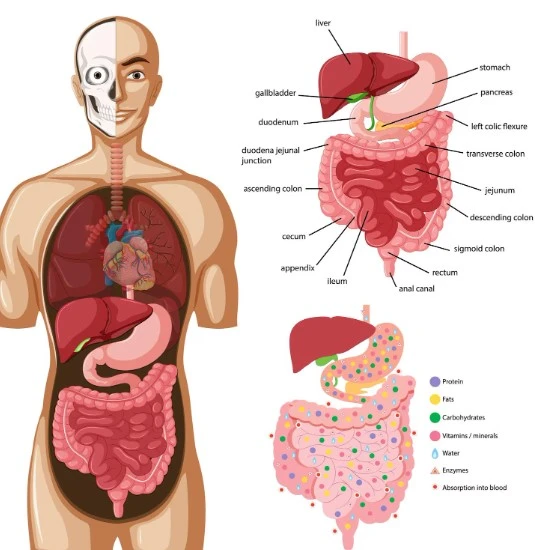
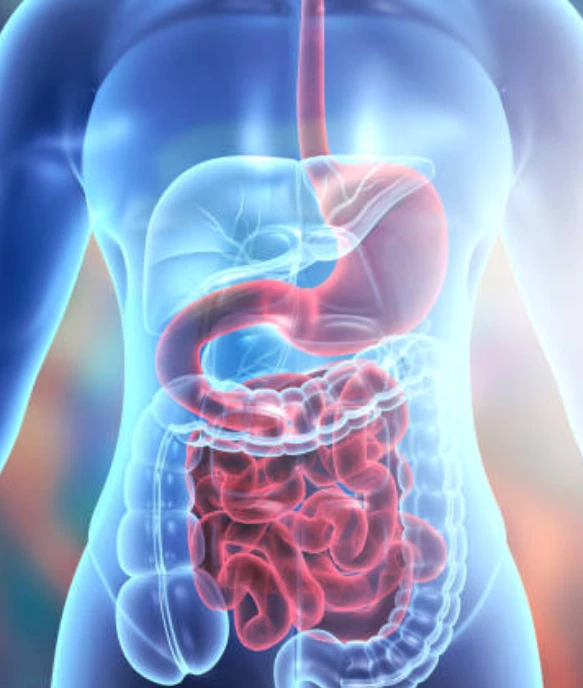
The Gastrointestinal (GI) Tract is a complex and vital system responsible for digestion, nutrient absorption, and waste elimination. It forms the foundation of overall health, influencing energy levels, metabolism, and immunity.
A well-functioning GI tract ensures optimal nutrient utilization and efficient detoxification, while an imbalanced gut can contribute to symptoms such as bloating, acidity, constipation, fatigue, and inflammation.
Factors like stress, poor dietary choices, food sensitivities, and irregular eating patterns can disrupt digestive harmony. Supporting the GI system through targeted nutrition, balanced lifestyle, and gut-healing foods is essential to restoring digestive integrity and promoting long-term wellness.
Factors like stress, poor dietary choices, food sensitivities, and irregular eating patterns can disrupt digestive harmony. Supporting the GI system through targeted nutrition, balanced lifestyle, and gut-healing foods is essential to restoring digestive integrity and promoting long-term wellness.
Diseases Associated with the Gastrointestinal (GI) Tract
Proper nutrition, hydration, stress management, and timely medical care play a key role in managing and preventing GI tract disorders.
-
Acid & Stomach Disorders
Gastroesophageal Reflux Disease (GERD), Gastritis, and Peptic Ulcer Disease – Conditions affecting the stomach and esophagus, causing acid reflux, inflammation, pain, and irritation. -
Functional Bowel Disorders
irritable bowel syndrome (IBS), Constipation, and Diarrhea – Digestive problems that affect bowel movement patterns, leading to abdominal pain, bloating, and stool irregularities. -
Inflammatory & Autoimmune Intestinal Diseases
Inflammatory Bowel Disease (IBD – Crohn’s disease & Ulcerative Colitis) and Celiac Disease – Chronic conditions involving inflammation or immune reactions that damage the intestines. -
Food Intolerance & Digestive Sensitivities
Lactose Intolerance – Difficulty digesting certain foods, leading to bloating, gas, and diarrhea. -
Structural & Serious Colon Conditions
Diverticular Disease, Hemorrhoids, Colon Polyps, and Colorectal Cancer – Disorders affecting the structure and health of the large intestine and rectum.
Components of a Healthy Diet
A well-balanced, nutrient-rich diet tailored to individual tolerance can improve GI function, reduce symptoms, and support long-term gut health.
-
High-Fiber Foods & Hydration
Fruits, vegetables, whole grains, and adequate water intake support smooth digestion, prevent constipation, and improve nutrient absorption. -
Easy-to-Digest Proteins
Lean protein sources like lentils, beans, tofu, fish, and other light proteins help maintain strength without overloading digestion. -
Gut-Friendly Foods
Probiotics and fermented foods (if tolerated) support a healthy gut microbiome, while healthy fats like olive oil and avocado aid nutrient absorption. -
Limit Harmful Foods
Reducing processed, fried foods, added sugars, and personal trigger foods helps decrease inflammation, bloating, reflux, and digestive discomfort. -
Smart Eating Habits
Eating small, frequent meals supports easier digestion and reduces strain on the gastrointestinal tract.

Our Approach
We follow a structured, patient-centred approach to support long-term heart health and overall wellbeing.

Comprehensive Health Assessment
We begin with an in-depth evaluation of symptoms, lifestyle habits, medical history, dietary patterns, and cardiovascular risk factors.

Personalized Nutrition Planning
Customized meal plans are designed to align with your daily routine, food preferences, cultural habits, and specific heart-health requirements.

Smart & Sustainable Food Swaps
We recommend practical, realistic food substitutions that improve nutritional quality without disrupting your existing lifestyle.

Holistic Lifestyle Guidance
Focused support for sleep quality, stress management, physical activity, and daily routines to strengthen cardiovascular function.

Continuous Monitoring & Follow-Ups
Regular progress reviews help track results, provide clarity, and make timely adjustments for optimal outcomes.
Our mission is to empower you with clear guidance, structured support, and science-based nutrition strategies to build a stronger, healthier heart for life.
Make An Appointment
Have a question or need support?
Share your concerns with us and our experts will help you take the next step toward better health.


