Book an online doctor appointment on Dr. Bakshi's Healthcare for expert care anytime, anywhere.
Anemia
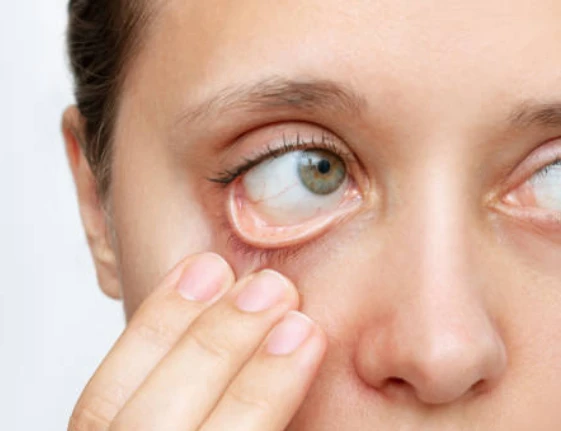
Anemia is a blood condition where there are not enough red blood cells or low levels of haemoglobin. This results in a reduced ability to deliver oxygen to tissues in the body. Women are more likely to have anemia due to factors such as blood loss during periods, the physical demands of pregnancy, and common nutritional deficiencies. The most common type is iron-deficiency anemia, but a lack of vitamin B12, folate, and chronic inflammatory diseases can also make it worse. Anemia can cause symptoms like tiredness, weakness, pale skin, shortness of breath, dizziness, and trouble thinking clearly. For women of childbearing age, anemia can negatively affect energy levels, immune system function, and overall quality of life. During pregnancy, anemia can lead to serious risks for both the mother and baby, resulting in higher chances of health problems for both.
Role of Nutrition
Proper nutrition is essential to prevent and manage anemia, especially in women. Consuming iron-rich foods such as lean meats, poultry, fish, legumes, and leafy greens, along with vitamin C-rich foods to enhance absorption, supports healthy hemoglobin levels. Adequate folate, vitamin B12, protein, and healthy fats are also crucial for red blood cell production, energy restoration, and overall recovery. Addressing dietary gaps through fortified foods or supplementation under medical guidance ensures optimal nutrient intake, strengthens immunity, improves cognitive function, and supports long-term maternal health.
Components of a Healthy Diet
Iron-Rich Foods
Lean red meat, poultry, fish, lentils, beans, tofu, spinach, and fortified cereals support hemoglobin production.
Vitamin C Sources
Citrus fruits, berries, bell peppers, and tomatoes enhance absorption of non-heme iron.
Folate-Rich Foods
Leafy greens, legumes, avocado, and fortified grains support red blood cell formation.
Vitamin B12 Sources
Eggs, dairy products, fortified plant-based milk, and fish support red blood cell maturation.
Protein
Adequate protein supports hemoglobin synthesis and overall recovery.
Healthy Fats
Unsaturated fats aid nutrient absorption and overall metabolic health.
Hydration
Adequate water intake supports blood volume and circulation.
Limit Iron Absorption Inhibitors
Reduce excessive tea, coffee, and highly processed foods during iron-rich meals.
Diet Management
- Include iron-rich foods along with vitamin C sources to enhance absorption.
- Maintain balanced meals with folate, vitamin B12, and protein.
- Avoid tea, coffee, or calcium-rich foods with iron-rich meals.
- Use fortified foods or supplements as advised by a healthcare professional.
Lifestyle Management
- Manage underlying causes such as heavy menstrual bleeding or chronic illness.
- Ensure adequate rest and quality sleep.
- Practice stress management techniques like yoga or meditation.
- Engage in moderate physical activity to improve circulation.
- Avoid smoking and excessive alcohol.
Our Approach
We follow a holistic and personalized strategy to prevent and manage anemia in women:

Comprehensive Assessment
Evaluate dietary intake, medical history, lifestyle habits, and factors affecting iron status.

Personalized Nutrition
Develop iron-rich meal plans with adequate vitamin C, protein, and supportive micronutrients.

Lifestyle Optimization
Guide rest, physical activity, stress management, and healthy habits to support recovery.

Education & Behavioral Support
Provide guidance on iron absorption, supplementation, and sustainable dietary practices.

Ongoing Monitoring
Track hemoglobin levels, symptoms, and progress to ensure long-term health.
Make An Appointment
Have a question or need support?
Share your concerns with us and our experts will help you take the next step toward better health.


