Book an online doctor appointment on Dr. Bakshi's Healthcare for expert care anytime, anywhere.
Kidneys Renal System
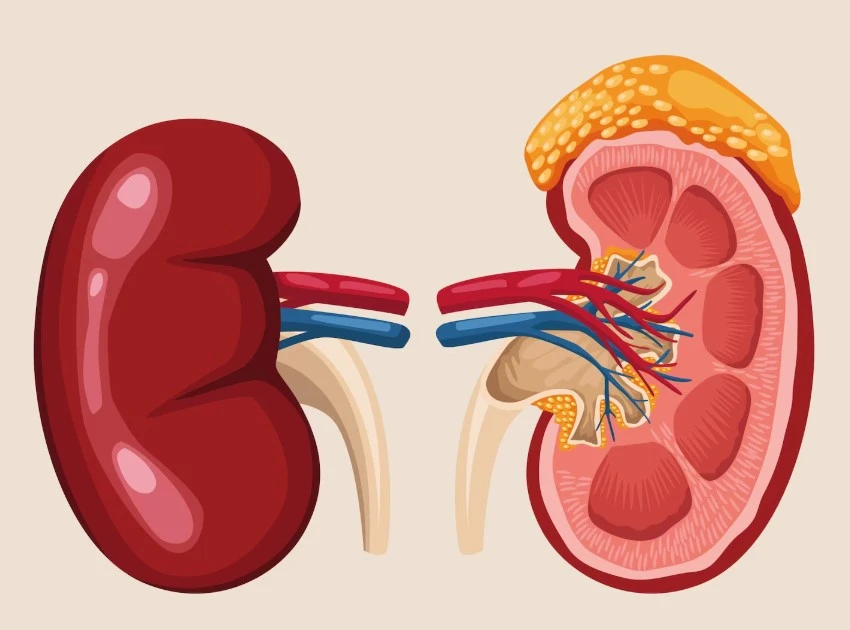
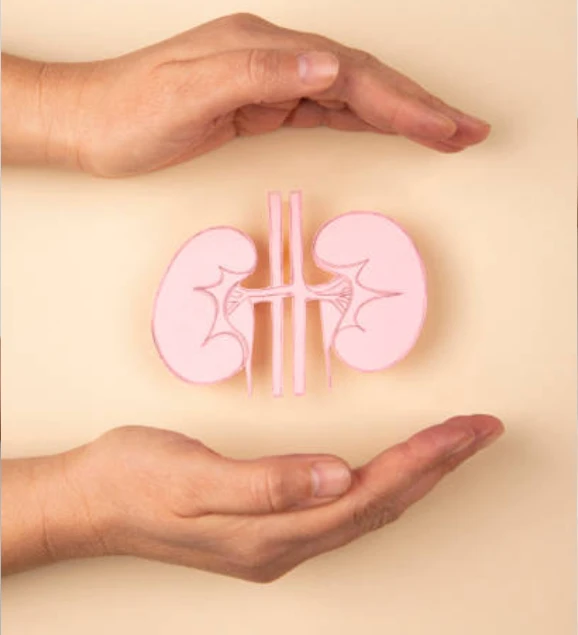
The kidneys are vital organs of the renal system, responsible for filtering waste products, excess fluids, and toxins from the blood. They play a critical role in maintaining electrolyte balance, regulating blood pressure, producing red blood cells, and supporting bone health. When kidney function declines, waste and fluid build-up in the body, leading to serious health complications. Maintaining kidney health is essential for overall metabolic balance and long-term well-being.
Diseases Associated with the Kidneys
Various medical conditions can impair kidney function or damage renal tissue. These diseases may develop gradually or occur suddenly, depending on the underlying cause. Common renal disorders include:
- Chronic Kidney Disease (CKD) : Gradual loss of kidney function over time, often caused by diabetes or hypertension
- Acute Kidney Injury (AKI) : Sudden decline in kidney function due to infection, dehydration, medications, or trauma
- Kidney Stones : Hard deposits of minerals and salts that form in the kidneys, causing pain and urinary blockage
- Glomerulonephritis : Inflammation of the glomeruli, the tiny filtering units within the kidney
- Polycystic Kidney Disease (PKD) : A genetic disorder causing fluid-filled cysts that can lead to kidney enlargement and failure
- Urinary Tract Infections (UTIs) : Infections that may spread to the kidneys (pyelonephritis) if left untreated
- Nephrotic Syndrome : A condition marked by excessive protein loss in urine due to damaged kidney filters
- End-Stage Renal Disease (ESRD) : The final stage of CKD, where dialysis or kidney transplantation becomes necessary
Role of Diet in Kidney Health
Dietary management is essential in both preventing and treating kidney diseases. The kidneys regulate the body’s chemical balance, and dietary choices directly influence their workload and efficiency.A renal-friendly diet focuses on:
- Controlling sodium intake to manage blood pressure and reduce fluid retention
- Regulating protein consumption to prevent excessive strain on the kidneys
- Limiting phosphorus and potassium in individuals with reduced kidney function
- Ensuring adequate hydration to support toxin elimination and prevent stone formation
- Avoiding processed foods and high-sugar beverages that contribute to kidney stress
Dietary interventions are personalized based on disease stage, blood test results, and individual health conditions.


Components of a Healthy Diet
A kidney-friendly diet must be personalized based on the stage of kidney failure, lab reports, and treatment plan, under professional guidance.
-
Balanced Protein & Calorie Intake
Moderate protein and adequate calories support tissue repair, prevent muscle loss, and reduce excess waste buildup. -
Low Sodium & Fluid Control
Limiting salt and fluids (if prescribed) helps manage blood pressure, swelling, and breathlessness. -
Mineral Management (Potassium & Phosphorus)
Controlling potassium and phosphorus intake based on lab values protects the heart, bones, and blood vessels. -
Healthy Energy Sources
High-quality carbohydrates and healthy fats provide energy while minimizing strain on kidney function. -
Limit Processed Foods
Avoiding packaged and processed foods reduces excess sodium, phosphorus, and harmful additives.
These foods calm inflammation, improve blood flow, and help your heart work with ease.
Our Approach
Our approach to kidney and renal health is centered on preventive care, personalized nutrition, and lifestyle optimization, guided by medical expertise and evidence-based practices. We focus on:

Patient Education
Increasing awareness about kidney disease risk factors, symptoms, and early interventions.

Customized Nutrition Therapy
Developing individualized renal diets tailored to kidney function and lab parameters.

Lifestyle Management
Promoting adequate hydration, balanced nutrition, and controlled blood pressure.

Collaborative Care
Working closely with healthcare professionals to monitor renal function and manage complications.

Long-Term Prevention
Supporting patients through dietary guidance, medication adherence, and routine health screenings.

What are we doing?
- Initial Consultation & Assessment
- Customized Nutrition
- Plan Diet Plan Updates (every 15 days)
- Weekly Follow-Up Sessions
- Lifestyle & Habit building
- Continuous Hand-Holding Support
- Supplement & Lab Work Guidance
Make An Appointment
Have a question or need support?
Share your concerns with us and our experts will help you take the next step toward better health.


